
 0
0Getting Started
16th February 1983Ready-Made Programs
23rd February 1983How Programs Work
2nd March 1983File & Data Management
9th March 1983Communication Between Computers
16th March 1983Computer Languages
23rd March 1983Computer-Assisted Instruction
30th March 1983Games & Simulations
6th April 1983Computer Graphics
13th April 1983Computer Music
20th April 1983Computers at Work
27th April 1983What Next?
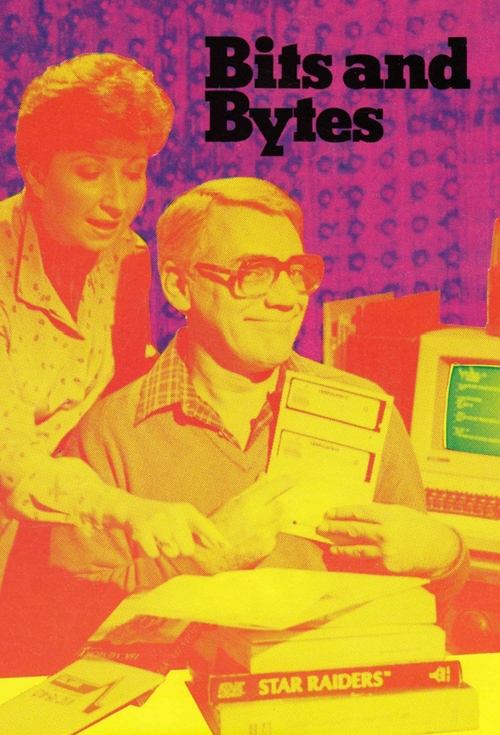
4th May 1983Bits and Bytes was the name for two Canadian television series, starring Billy Van, who teaches people the basics of how to use a computer. The first series debuted in 1983 and the second series, called Bits and Bytes 2, in 1991. The first series also included popular comedian Luba Goy as the instructor to Van. The intro sequence featured a montage of common computer terms such as "ERROR", "LOGO" and "ROM", as well as various snippets of simple computer graphics and video effects, accompanied by a theme song that very heavily borrows from the 1978 song Neon Lights by Kraftwerk. The series were produced by TVOntario. The Writer-Producers of Both Bits and Bytes and Bits and Bytes 2 were Denise Boiteau & David Stansfield. The original series featured an unusual presentation format whereby Luba Goy as the instructor would address Billy Van through a remote video link. The video link would appear to Luba who was seated in an office on a projection screen in front of her. She was then able to direct Billy who appeared on a soundstage with various desktop computer setups of the era. Popular systems emphasized included the Atari 800, Commodore PET, Tandy TRS-80, and Apple II. Each episode also included short animated vignettes to explain key concepts, as well as videotaped segments on various developments in computing. In the new 1991 series, Billy Van assumed the role of instructor and taught a new female student. As a decade had passed, the new series focused primarily on IBM PC compatibles running DOS and earlier versions of Windows, as well as the newer and updated technologies of that era.
No media available

